 Skip to content
Your Essential Commercial Canopy Tent Buying Guide for a Heavy Duty Canopy
This commercial canopy tent buying guide is the definitive resource for any professional, from market vendors to event coordinators, who understands that a shelter is more than just cover—it’s an investment. When your business is on display, a flimsy, recreational tent won’t do. You need a heavy duty canopy that projects professionalism and can withstand the rigors of frequent use and unpredictable weather. This guide will walk you through the critical components, from industrial-grade frames to all-weather fabrics, ensuring you choose a professional event shelter that protects your assets and brand.
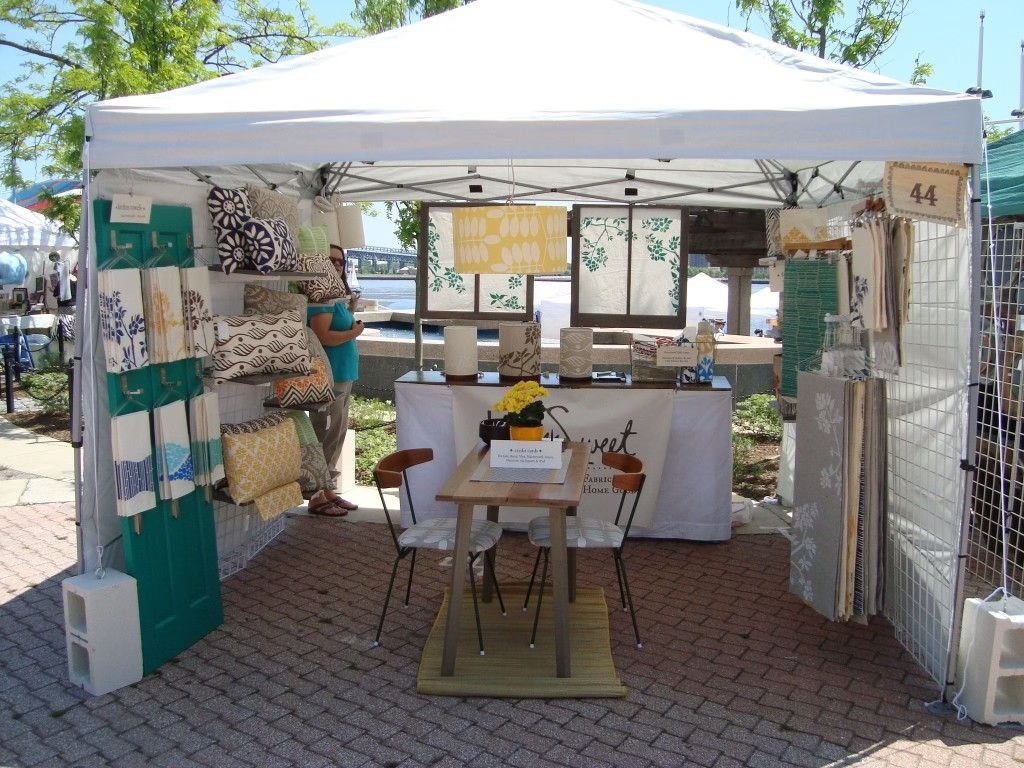
Why a Heavy Duty Canopy is a Non-Negotiable Business Asset
The difference between a recreational tent and a commercial one is stark. While a cheap tent might suffice for a single beach trip, it lacks the durability required for business applications. A heavy duty canopy offers a significant return on investment through its longevity, enhanced safety features, and the professional image it presents to clients. It’s built to be a reliable workspace, season after season. Before you even consider features, be sure you’ve selected the right size for your needs with a proper Canopy Tent Size Guide: 10×10 vs 10×20.
The Core of Durability: Choosing a Commercial Grade Tent Frame
The frame is the backbone of your tent. In a commercial model, look for materials and designs engineered for strength and stability.
Frame Material: Steel vs. High-Grade Aluminum
For a true heavy duty canopy, a powder-coated steel frame is the gold standard. It offers maximum weight and strength, providing superior resistance to wind. The powder coating prevents rust and wear. While heavier, this stability is crucial for protecting your goods and ensuring safety. High-grade or “aircraft-grade” aluminum offers a lighter-weight alternative that is still strong and naturally rust-proof, but for ultimate resilience in demanding conditions, steel is often preferred.
Leg and Truss Bar Design
The shape and thickness of the frame components are critical. Look for hexagonal or square-profile legs, as they are significantly stronger and more resistant to bending than the round, thin legs found on cheaper tents. Furthermore, examine the truss bars—the crisscrossing bars that form the ceiling structure. In a commercial tent, these should be thick and form a robust lattice to support the canopy top and resist wind uplift.

Evaluating Waterproof Canopy Fabric for All-Weather Reliability
The canopy fabric must be able to handle sun, rain, and wind. Don’t settle for thin, low-quality material.
Denier, Coatings, and Seams
Look for a fabric with a high denier rating, such as 500 denier (500D) polyester or higher. This indicates a thicker, more durable thread. The fabric should be coated with polyurethane (PU) or PVC to ensure it is fully waterproof, not just water-resistant. Equally important are the seams. A quality commercial tent will have all seams hot-sealed or “taped” to prevent any water from penetrating the stitching.
Crucial Certifications: Fire Retardancy and UV Protection
For any public event, a fire-retardant certification is often mandatory. The most common standard is CPAI-84. Using a non-compliant tent can get you barred from an event. According to the Industrial Fabrics Association International (IFAI), these standards are in place to ensure public safety at venues. Additionally, a UPF 50+ rating is essential for blocking over 98% of harmful UV rays, protecting both you and your products from sun damage.
Key Features of a Wind Resistant Canopy Tent
Wind is a canopy tent’s worst enemy. A commercial-grade model incorporates features to manage it. Vented tops allow wind to escape, reducing upward pressure on the frame. Most importantly, a heavy duty canopy must be anchored securely.
Frequently Asked Questions (FAQ)
Q1: What exactly is CPAI-84 certification?
A: CPAI-84 is a flammability standard for tents set by the Industrial Fabrics Association International. It specifies that the fabric must be able to resist burning when exposed to a flame. Most markets, trade shows, and public venues require this certification for all tents used on their premises.
Q2: How much weight should I use to anchor my commercial tent?
A: A general rule is to use at least 40 pounds (18 kg) of weight per leg. For a 10×10 tent, that’s a total of 160 pounds. On windy days, more is always better. Never rely on the small stakes that come with recreational tents.
Q3: Can I get my company logo printed on a heavy-duty canopy?
A: Absolutely. Most manufacturers of commercial tents offer custom printing services. This is an excellent way to turn your shelter into a powerful branding tool, making your booth stand out in a crowd.
This commercial canopy tent buying guide shows that choosing a professional shelter is about making a smart business decision. By prioritizing a heavy duty canopy with a strong frame, certified all-weather fabric, and wind-resistant features, you are investing in reliability, safety, and a professional brand image that will pay dividends for years to come.
