 Skip to content
How To Secure a Canopy Tent In Wind: The Ultimate Guide
Learning how to secure a canopy tent in wind is the most critical skill for any pop-up shelter owner. An unsecured canopy is not just a risk to your investment; it’s a dangerous projectile that can cause serious injury or property damage. Whether you’re a market vendor on asphalt or a family picnicking on grass, the principles of proper anchoring are universal. This guide provides actionable, step-by-step instructions for keeping your tent grounded, ensuring your event is safe and successful, regardless of the weather. It’s a vital skill for any tent owner, especially those with a quality shelter from our Commercial Canopy Tent Buying Guide.
The Dangers of an Unsecured Tent: The Sail Effect
A canopy tent’s large, flat top acts like a ship’s sail, catching the wind. Without a secure anchor, even a moderate gust can lift the entire structure, sending it tumbling. This can damage the frame, tear the fabric, and endanger everyone around. According to disaster preparedness agencies like FEMA, high winds associated with weather events can turn unsecured objects into hazards. Properly securing your tent is a matter of safety and responsibility.
Anchoring on Hard Surfaces: The Power of Tent Weights
When setting up on concrete, pavement, or a deck, stakes are not an option. Your only solution is weight, and plenty of it.
Choosing the Best Canopy Tent Weights
The goal is to add significant weight to each corner. Forget small, decorative weights.
- Sandbags: The most common and effective solution. Look for high-denier fabric bags with strong straps.
- Cast Iron Weights: These are custom-molded plates that slide over the tent legs. They are heavy, stackable, and have a slim profile, but are more expensive.
- DIY PVC Weights: You can create your own by filling wide PVC pipes with concrete and adding a handle.
As a rule, you need a minimum of 40 pounds (18 kg) per leg. For a standard 10×10 tent, this means a total of 160 pounds anchoring it down.
How to Properly Attach Tent Weights
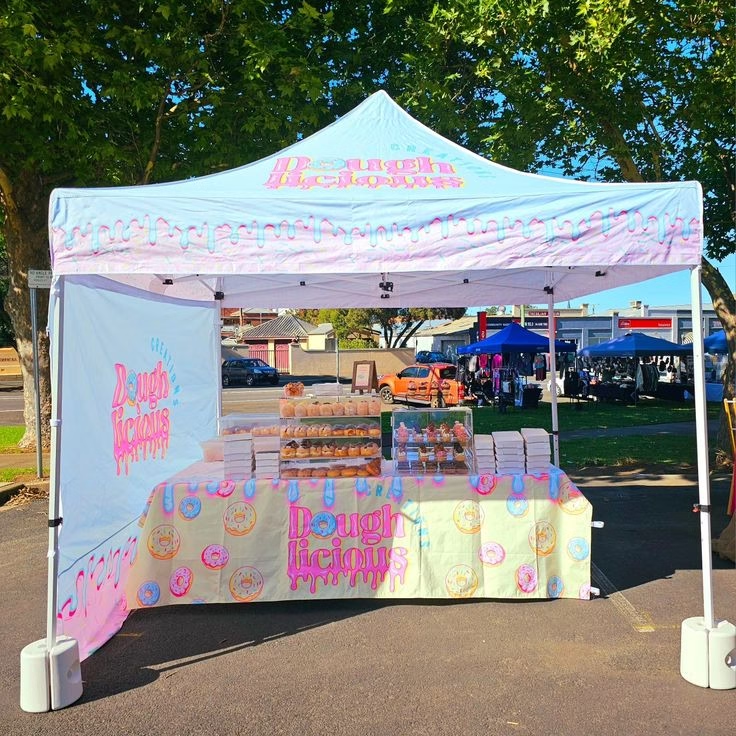
Simply placing a weight on the tent’s footplate is not enough. For maximum stability, the weight must be strapped directly to the frame. Wrap the weight’s straps around the lower part of the tent leg, as high up as possible. This lowers the tent’s center of gravity and prevents the legs from lifting out of the weights.
Mastering Soft Ground: The Superiority of Stakes and Guy Lines
On grass, dirt, or sand, stakes offer the most secure method for anchoring your tent.
Why You Need Heavy-Duty Tent Stakes
The small, thin metal pegs that come with most recreational tents are inadequate for wind. You must invest in heavy-duty stakes. Look for galvanized steel stakes that are at least 10-12 inches long and about ½ inch thick. Their length and heft provide the friction needed to hold fast in the ground.
The Correct Staking Technique for Unbeatable Hold
How you drive the stake is as important as the stake itself.
- Drive the stake through the hole in the tent footplate and into the ground at a 45-degree angle, pointing away from the tent.
- For ultimate security, use guy lines. Attach one end to the corner of the canopy frame and the other end to a second stake, also driven into the ground at a 45-degree angle several feet away from the tent. This creates tension and braces the tent against lateral wind forces.
Advanced Tips for Securing a Tent in High Wind
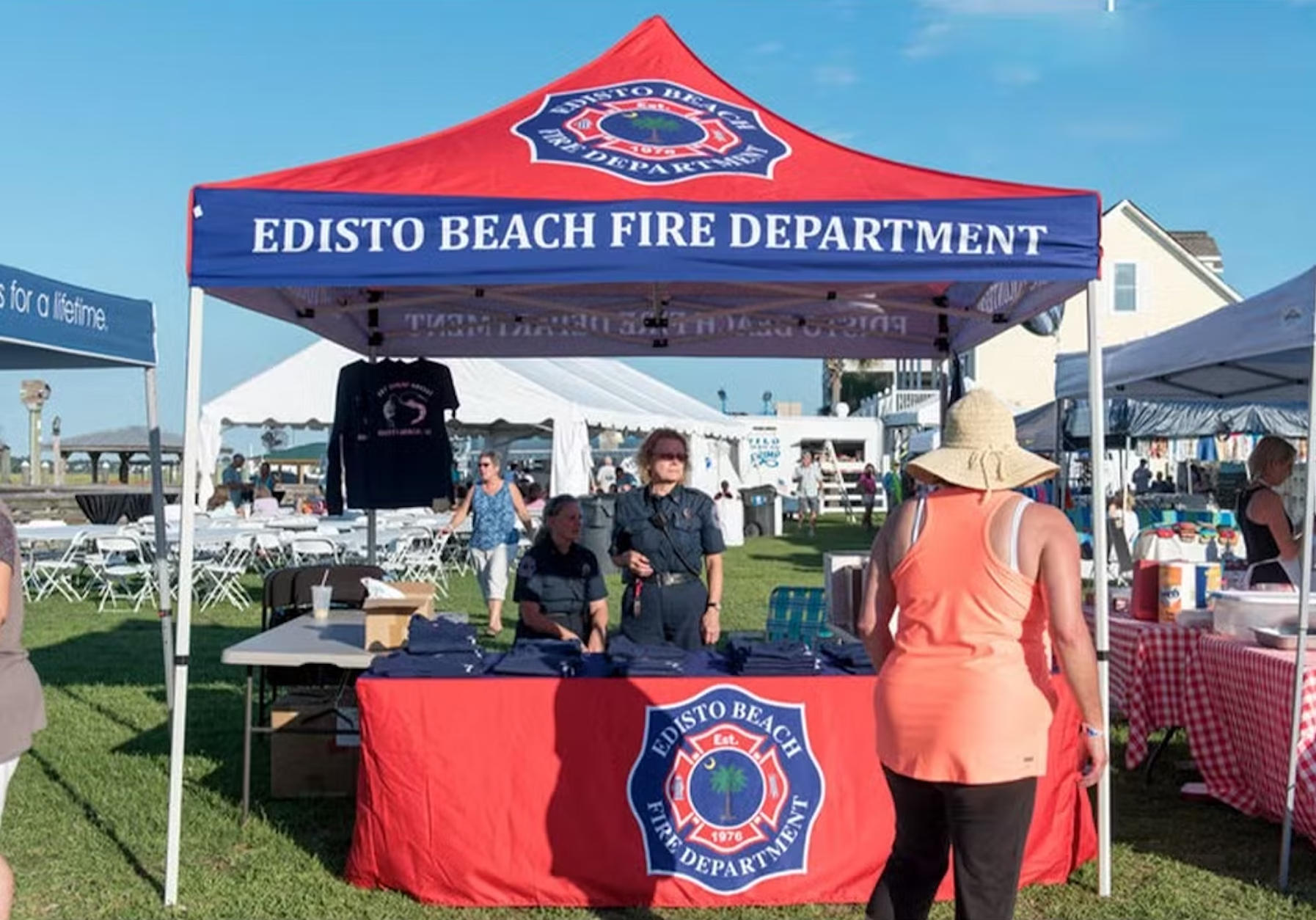
- Lower the Height: Retract the tent legs to their lowest setting. This reduces the surface area exposed to the wind.
- Use Sidewalls Strategically: Adding sidewalls can block wind, but they also dramatically increase the sail effect. Only use them if they are vented and the tent is extremely well-anchored.
- Position for Success: If possible, place one side of the tent against a solid structure like a building or a large vehicle to act as a windbreak. This is especially useful if you have a larger shelter, as discussed in our 10×10 vs 10×20 tent guide.
Know When to Fold: Discretion is the Better Part of Valor
No pop-up canopy tent is designed to withstand severe weather. Be aware of the forecast. If wind gusts are predicted to exceed 25-30 mph (40-50 kph), the safest decision is to take the tent down. Your safety, and the safety of others, is more important than any event.
Frequently Asked Questions (FAQ)
Q1: Can I use buckets of water as weights?
A: You can in a pinch, but they are not ideal. Water is less dense than sand or iron, so you need more volume for the same weight. They are also prone to spilling, which makes them unreliable.
Q2: Do canopies with wind vents really work?
A: Yes, vents in the canopy top allow trapped air to escape, which reduces upward lift on the tent. However, they are a supplementary feature, not a replacement for proper anchoring with heavy weights or stakes.
Q3: How do I secure my tent at the beach?
A: Standard stakes don’t work well in loose sand. Use specialized sand stakes (which are longer and wider) or bury sandbags attached to your guy lines for an effective anchor.
Mastering how to secure a canopy tent in wind is a non-negotiable responsibility. By using heavy weights on hard surfaces, angled stakes with guy lines on soft ground, and always prioritizing safety, you can ensure your shelter remains a safe and reliable asset.
