
Canopy Tent Size Guide: 10×10 vs 10×20 Tent
Choosing the right shelter is crucial for any successful outdoor event, and this canopy tent size guide is here to help you decide between the two most popular options: the 10×10 vs 10×20 tent. While a 10×10 tent offers unmatched portability for small gatherings, a 10×20 provides double the space for larger crowds or extensive vendor displays. Understanding the key differences in capacity, setup, and cost will ensure you select the perfect canopy size for your specific needs, making your event comfortable and professional.
Understanding the Basics: Square Footage and Capacity
The most fundamental difference in the 10×10 vs 10×20 tent debate is the space they provide.
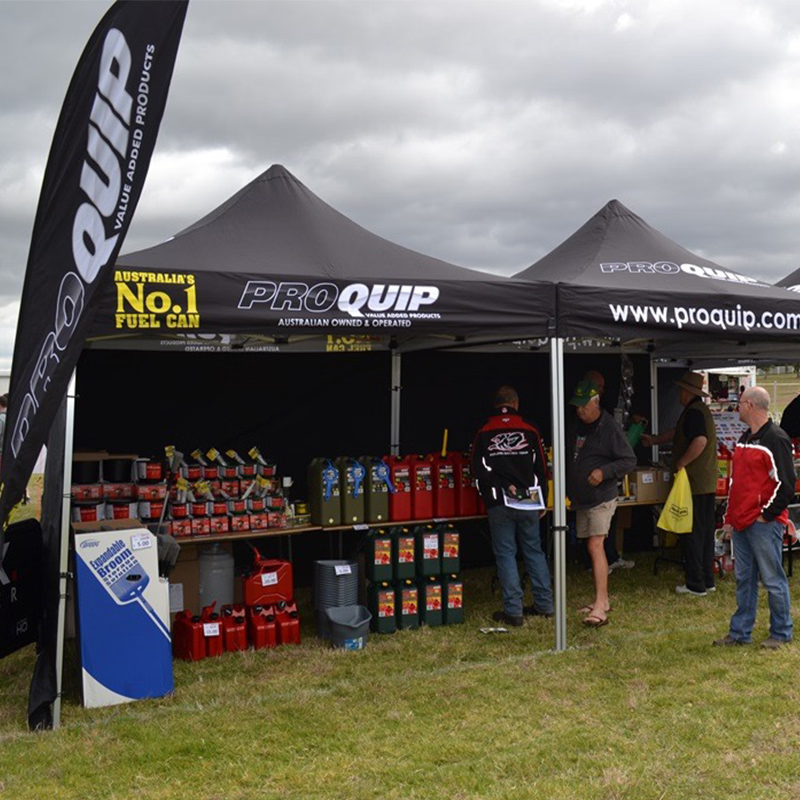
- 10×10 Pop Up Tent: Offers 100 square feet of coverage. This is typically enough to comfortably accommodate 8-10 people standing or a small dining table with 4-6 chairs. It’s the go-to choice for solo market vendors, small family picnics, or as a simple shade spot at the beach.
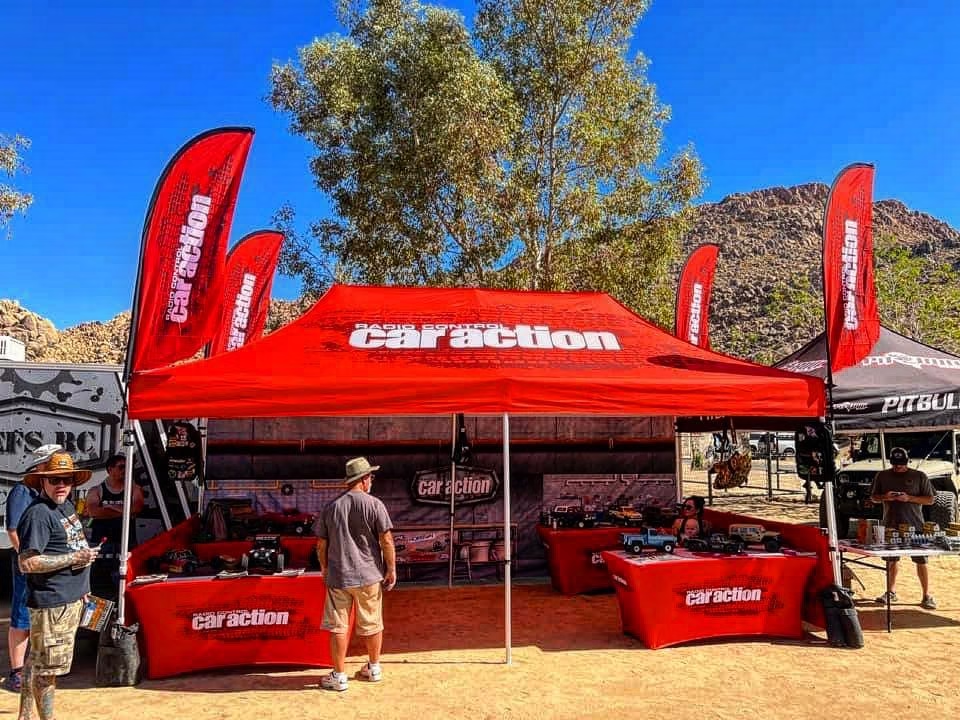
- 10×20 Pop Up Tent: Provides a generous 200 square feet of shelter. This larger footprint can shelter 16-20 people standing, two long tables for a buffet, or a comprehensive vendor setup with multiple display racks.
Which is Better for Portability and Transport?
Portability is a major factor in our canopy tent size guide. A 10×10 tent is significantly easier to manage. It folds down into a compact size that can fit in the trunk of most cars and can often be set up by a single person. Its lighter weight makes it ideal for individuals who need a quick and easy shelter.
Conversely, a 10×20 tent is a two-person job at minimum. Its frame is heavier and longer when collapsed, typically requiring a larger vehicle like an SUV or truck for transport. If your event location is far from your parking spot, moving a 10×20 can be a challenge. For those needing maximum coverage with less focus on mobility, a 10×20 is a worthy trade-off.
Setup and Teardown: What to Expect
When comparing the 10×10 vs 10×20 tent, setup complexity increases with size.
- 10×10 Tent Setup: Famous for its “pop-up” design, a 10×10 can be ready in minutes. You simply expand the frame, push up the center hub and corner sliders, and extend the legs. It’s designed for efficiency. For first-timers, our Best 10×10 Canopy Tent 2026 guide offers great setup tips.
- 10×20 Tent Setup: This process is more involved. Due to its length, it requires at least two people to pull the frame apart evenly. The larger canopy top can be cumbersome to position correctly, and the center support trusses add extra steps. While still a pop-up, it demands more coordination and time.
Cost and Long-Term Value
Initially, a 10×10 canopy tent is the more budget-friendly option. However, the best value depends on your needs. Buying a 10×10 only to realize you need more space later can be a costly mistake.
Consider this: two 10×10 tents can offer more versatility than one 10×20. You can use them separately for smaller needs or connect them with a rain gutter to create a 10×20 space. This modular approach provides flexibility that a single large tent cannot. If your needs vary greatly, investing in two high-quality 10×10 tents might be a smarter long-term decision than committing to a single 10×20.
Ideal Use Cases: 10×10 vs 10×20 Tent
This canopy tent size guide wouldn’t be complete without clear use cases.
- Choose a 10×10 tent for: Farmers’ markets, art fairs (for a single artist), beach days, camping trips, and small backyard parties.
- Choose a 10×20 tent for: Large vendor booths, corporate events, outdoor wedding receptions, team sporting events, and community gatherings.
Frequently Asked Questions (FAQ)
Q1: Is a 10×20 tent just two 10x10s joined together?
A: No. A true 10×20 tent has a single, continuous frame and one large canopy top. This design provides a completely open interior without center legs and is more structurally stable in wind than two separate tents.
Q2: How much wind can a 10×20 tent handle?
A: This depends on the quality of the frame and how well it is anchored. A commercial-grade 10×20 tent, properly secured with heavy weights or deep stakes, can handle moderate wind. However, due to its larger surface area, it is more susceptible to wind than a 10×10 and should be taken down in strong gusts.
Q3: Can I fit a car under a 10×20 tent?
A: Yes, a 10×20 tent provides ample space to cover most standard cars and small trucks, making it a great temporary carport for auto detailing or protection from the elements.
Ultimately, the choice in the 10×10 vs 10×20 tent showdown comes down to a simple question: who and what are you trying to cover? By realistically assessing your space requirements and logistical capabilities, you can confidently invest in the right canopy tent.